
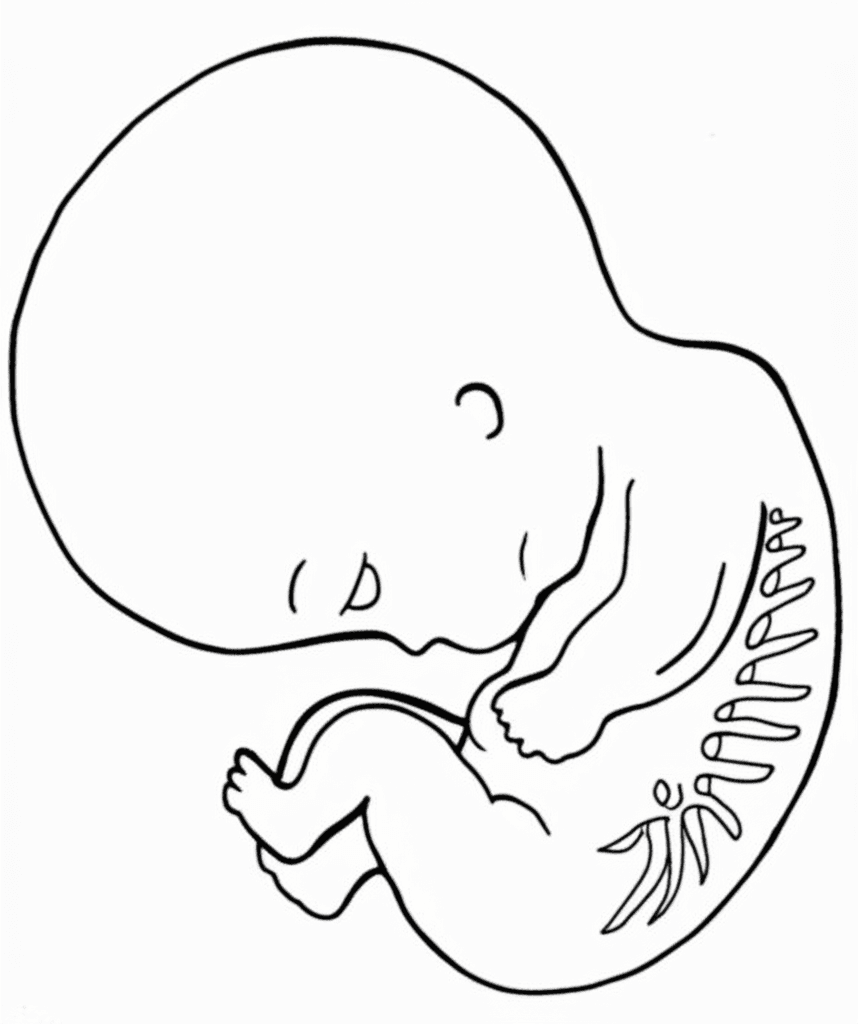
Introduction to Developmental Anatomy
Developmental anatomy, also known as embryology, is the study of the development of living organisms from fertilization to birth. This field of study is crucial in understanding how humans and other animals develop and grow. In this blog post, we will delve into the world of developmental anatomy, exploring the different stages of development and the key concepts that underlie this complex process.
Stages of Development
The development of a human being can be divided into several stages, including:
- Fertilization: The process by which a sperm fertilizes an egg, resulting in the formation of a zygote.
- Cleavage: The stage at which the zygote undergoes several cell divisions, resulting in the formation of a blastocyst.
- Gastrulation: The stage at which the blastocyst undergoes a series of complex cellular movements, resulting in the formation of the three primary germ layers: ectoderm, endoderm, and mesoderm.
- Organogenesis: The stage at which the primary germ layers give rise to the formation of organs and tissues.
- Fetal development: The stage at which the fetus develops and grows, preparing for birth.
Key Concepts in Developmental Anatomy
Several key concepts are essential in understanding developmental anatomy, including:
- Morphogenesis: The process by which cells and tissues undergo shape changes, resulting in the formation of complex structures.
- Pattern formation: The process by which cells and tissues become organized into specific patterns, resulting in the formation of organs and tissues.
- Cell signaling: The process by which cells communicate with each other, resulting in the coordination of developmental processes.
Practical Applications of Developmental Anatomy
Developmental anatomy has several practical applications, including:
- Birth defects: Understanding developmental anatomy can help us understand the causes of birth defects and develop strategies for prevention and treatment.
- Regenerative medicine: Developmental anatomy can inform the development of regenerative medicine therapies, such as stem cell therapy and tissue engineering.
- Cancer research: Developmental anatomy can provide insights into the development and progression of cancer, leading to the development of new cancer therapies.
Conclusion
In conclusion, developmental anatomy is a fascinating field of study that has far-reaching implications for our understanding of human development and disease. By exploring the different stages of development and key concepts that underlie this complex process, we can gain a deeper appreciation for the intricate and highly regulated process of human development.
Test Your Knowledge
Now that you've learned about Developmental Anatomy (Embryology), test your understanding with these interactive flashcards. You can save them to your collection for later study!
📚 Study Flashcards
Test your knowledge with these interactive cards
Developmental Anatomy Flashcards
Test your knowledge of developmental anatomy with these interactive flashcards, covering key concepts from fertilization to fetal development.
Want to study these cards?
Save to your collection and track your progress
What is the process by which a sperm fertilizes an egg?
#1What is the stage at which the zygote undergoes several cell divisions?
#2What are the three primary germ layers formed during gastrulation?
#3What is the process by which cells and tissues undergo shape changes?
#4What is the stage at which the fetus develops and grows, preparing for birth?
#5What is the process by which cells communicate with each other?
#6What is the study of the development of living organisms from fertilization to birth?
#7What are some practical applications of developmental anatomy?
#8💡 Study Tip
Try to answer each question before looking at the answer. Use the memory tips to create stronger mental connections!