
Introduction to Human Physiology
Human physiology is the study of the functions and processes that occur within the human body. It is a complex and fascinating field that explores how our bodies maintain homeostasis, or a stable internal environment, despite changes in external conditions.
Body Systems
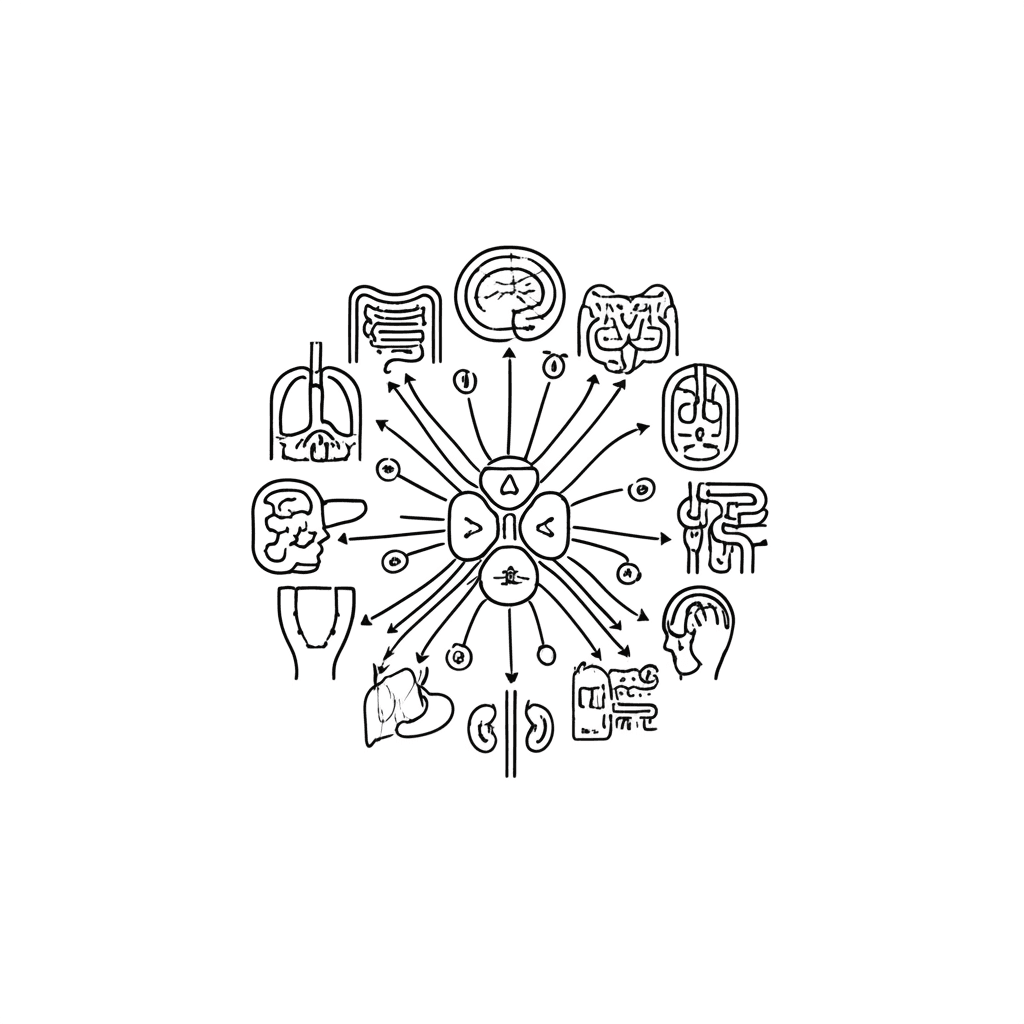
The human body is composed of several interconnected systems, each with its own unique functions and processes. These systems include:
- Nervous system: responsible for controlling and coordinating body functions
- Circulatory system: responsible for transporting oxygen and nutrients to cells
- Respiratory system: responsible for exchanging oxygen and carbon dioxide
- Digestive system: responsible for breaking down and absorbing nutrients
- Endocrine system: responsible for producing and regulating hormones
Homeostatic Mechanisms
Homeostasis is maintained through a variety of mechanisms, including:
- Negative feedback loops: which counteract changes in the internal environment
- Positive feedback loops: which amplify changes in the internal environment
- Regulatory mechanisms: such as hormonal regulation and neural regulation
Practical Examples
For example, when you exercise, your body temperature rises, and your sweat glands are activated to cool you down. This is an example of a negative feedback loop, where the increase in body temperature is counteracted by the cooling effect of sweat evaporation.
Real-World Applications
Understanding human physiology and homeostasis has numerous real-world applications, including:
- Medicine: where knowledge of physiological processes is used to diagnose and treat diseases
- Sports science: where understanding of physiological responses to exercise is used to optimize performance
- Environmental health: where knowledge of physiological responses to environmental stressors is used to develop strategies for mitigating their effects
Conclusion
In conclusion, human physiology is a complex and fascinating field that explores the intricate mechanisms of the human body. By understanding how our bodies maintain homeostasis and respond to changes in external conditions, we can gain insights into the interconnected systems that make up our bodies and develop strategies for maintaining optimal health and function.
Test Your Knowledge
Now that you've learned about Human Physiology: Body Systems and Homeostatic Mechanisms, test your understanding with these interactive flashcards. You can save them to your collection for later study!
📚 Study Flashcards
Test your knowledge with these interactive cards
Human Physiology Flashcards
A set of flashcards covering key concepts in human physiology
Want to study these cards?
Save to your collection and track your progress
What is homeostasis?
#1What is the primary function of the nervous system?
#2What is a negative feedback loop?
#3What is the role of hormonal regulation in maintaining homeostasis?
#4What is the circulatory system responsible for?
#5What is the respiratory system responsible for?
#6What is the digestive system responsible for?
#7What is the endocrine system responsible for?
#8What is the role of neural regulation in maintaining homeostasis?
#9What is the sweat glands' role in maintaining homeostasis?
#10💡 Study Tip
Try to answer each question before looking at the answer. Use the memory tips to create stronger mental connections!