
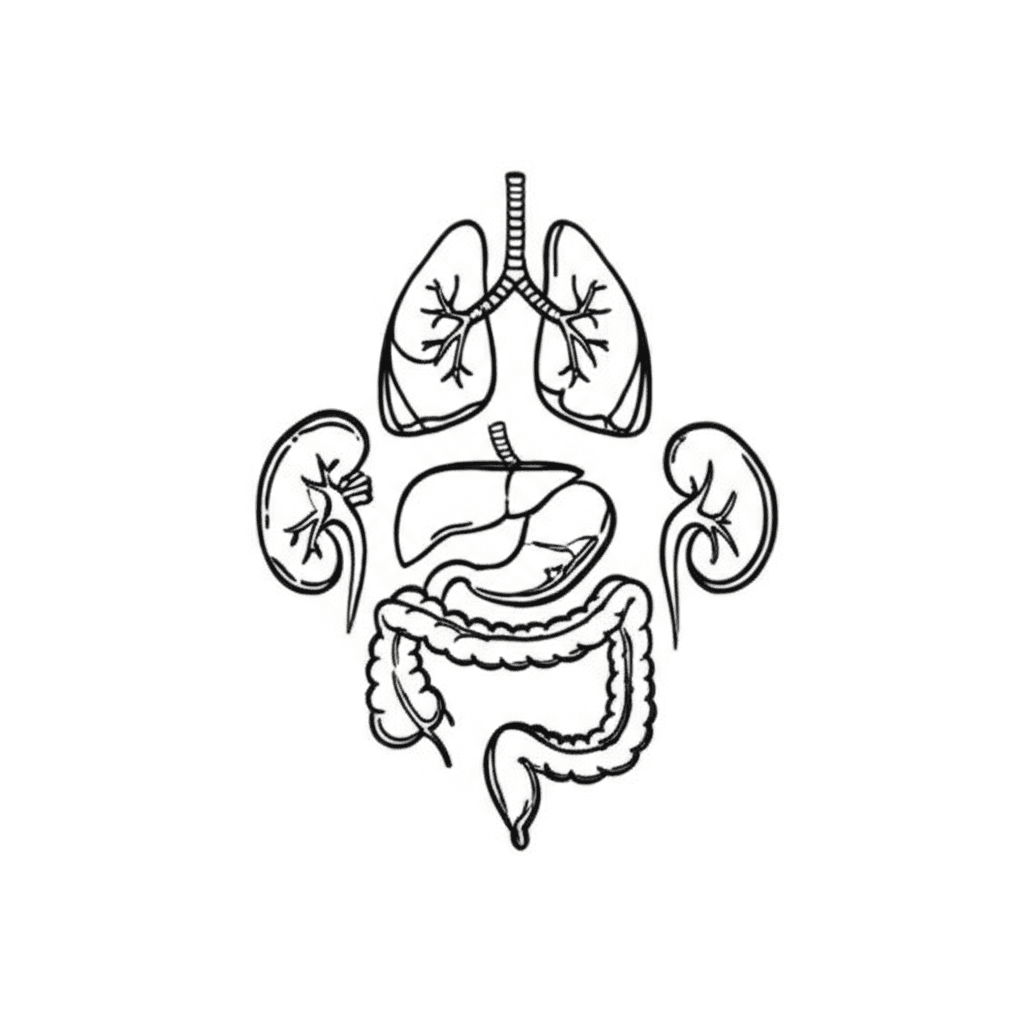
Introduction to Gross Anatomy
Gross anatomy is the study of the macroscopic structures of the body, focusing on organs, tissues, and systems. Understanding gross anatomy is crucial for medical students, healthcare professionals, and anyone interested in the human body.
What are Organs and Tissues?
Organs are self-contained structures that perform specific functions, such as the heart, lungs, and liver. Tissues, on the other hand, are groups of similar cells that work together to form organs. There are four primary types of tissues:
- Epithelial tissue, which forms the lining of organs and glands
- Connective tissue, which supports and connects other tissues
- Muscle tissue, which enables movement and contraction
- Nervous tissue, which transmits and processes information
Organs and Their Functions
The human body is composed of various organs, each with unique functions. For example:
- The brain controls cognitive functions, such as thought, emotion, and movement
- The heart pumps blood throughout the body, supplying oxygen and nutrients
- The lungs facilitate gas exchange, allowing us to breathe
Systems of the Body
The human body is organized into several systems, including:
- Nervous system: controls and coordinates body functions
- Circulatory system: transports blood, oxygen, and nutrients
- Respiratory system: facilitates gas exchange and breathing
- Digestive system: breaks down and absorbs nutrients
- Muscular system: enables movement and contraction
Practical Applications of Gross Anatomy
Understanding gross anatomy has numerous practical applications, such as:
- Surgery: knowledge of organ and tissue structure is essential for surgical procedures
- Diagnosis: recognizing normal and abnormal anatomy helps diagnose diseases and conditions
- Research: studying gross anatomy contributes to our understanding of human development, disease, and treatment
Conclusion
Gross anatomy is a fascinating field that explores the intricate structures and functions of the human body. By understanding organs, tissues, and systems, we can appreciate the complexity and beauty of the human body. Whether you're a medical student, healthcare professional, or simply interested in the human body, gross anatomy is an essential topic to explore.
Test Your Knowledge
Now that you've learned about Gross Anatomy: Organs and Tissues, test your understanding with these interactive flashcards. You can save them to your collection for later study!
📚 Study Flashcards
Test your knowledge with these interactive cards
Gross Anatomy Flashcards
Test your knowledge of gross anatomy with these interactive flashcards
Want to study these cards?
Save to your collection and track your progress
What is the primary function of the heart?
#1What type of tissue forms the lining of organs and glands?
#2What is the role of the nervous system?
#3What is the difference between organs and tissues?
#4What is the function of the lungs?
#5What is the role of connective tissue?
#6What is the primary function of the brain?
#7What is the difference between the circulatory and respiratory systems?
#8What is the function of the liver?
#9What is the role of muscle tissue?
#10💡 Study Tip
Try to answer each question before looking at the answer. Use the memory tips to create stronger mental connections!