
Introduction to Genetic Information
Genetic information is the blueprint for life, containing the instructions for the development, growth, and function of all living organisms. This information is encoded in DNA (Deoxyribonucleic acid) and RNA (Ribonucleic acid), which are essential molecules for life. In this blog post, we will delve into the world of genetic information, exploring the structure and function of DNA and RNA, as well as the process of protein synthesis.
DNA Structure and Function
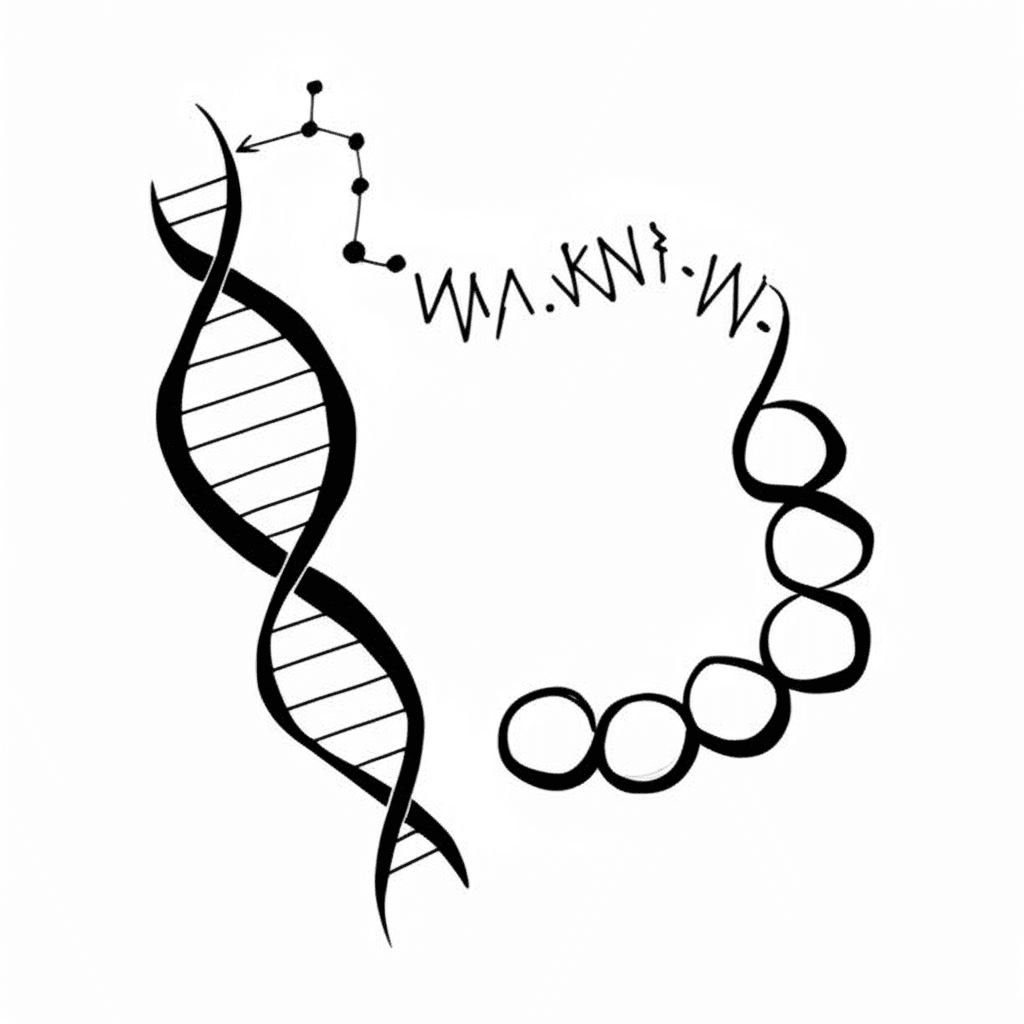
DNA is a double-stranded helix made up of nucleotides, each consisting of a sugar molecule called deoxyribose, a phosphate group, and one of four nitrogenous bases: adenine (A), guanine (G), cytosine (C), and thymine (T). The sequence of these bases determines the genetic information encoded in the DNA molecule. The double helix model of DNA was first proposed by James Watson and Francis Crick in 1953.
RNA Structure and Function
RNA is a single-stranded molecule that plays a crucial role in protein synthesis. There are several types of RNA, including messenger RNA (mRNA), transfer RNA (tRNA), and ribosomal RNA (rRNA). mRNA carries genetic information from DNA to the ribosomes, where proteins are synthesized. tRNA brings amino acids to the ribosomes, while rRNA makes up a large part of the ribosome itself.
Protein Synthesis
Protein synthesis is the process by which cells create proteins from amino acids. This process involves two main stages: transcription and translation. During transcription, the genetic information in DNA is copied into a molecule of mRNA. The mRNA then travels to the ribosomes, where translation occurs. During translation, the sequence of bases in the mRNA molecule determines the sequence of amino acids in the protein.
Real-World Applications
Genetic information has numerous real-world applications, including:
- Genetic engineering: the use of biotechnology to modify organisms
- Genetic testing: the use of DNA testing to diagnose genetic disorders
- Forensic science: the use of DNA analysis to solve crimes
- Personalized medicine: the use of genetic information to tailor medical treatment to an individual's specific needs
Conclusion
In conclusion, genetic information is the foundation of life, and understanding the structure and function of DNA and RNA is essential for appreciating the complexity of life. By exploring the process of protein synthesis and the real-world applications of genetic information, we can gain a deeper appreciation for the importance of this field of study.
Test Your Knowledge
Now that you've learned about Genetic Information: DNA, RNA, and Protein Synthesis, test your understanding with these interactive flashcards. You can save them to your collection for later study!
📚 Study Flashcards
Test your knowledge with these interactive cards
Genetic Information Flashcards
Test your knowledge of genetic information with these flashcards, covering DNA, RNA, and protein synthesis.
Want to study these cards?
Save to your collection and track your progress
What is the double helix model of DNA?
#1What are the four nitrogenous bases found in DNA?
#2What is the role of mRNA in protein synthesis?
#3What is the central dogma of molecular biology?
#4central dogma is the idea that genetic information flows from DNA to RNA to proteins.What is genetic engineering?
#5What is the difference between transcription and translation?
#6What is the role of tRNA in protein synthesis?
#7What is the role of rRNA in protein synthesis?
#8💡 Study Tip
Try to answer each question before looking at the answer. Use the memory tips to create stronger mental connections!