
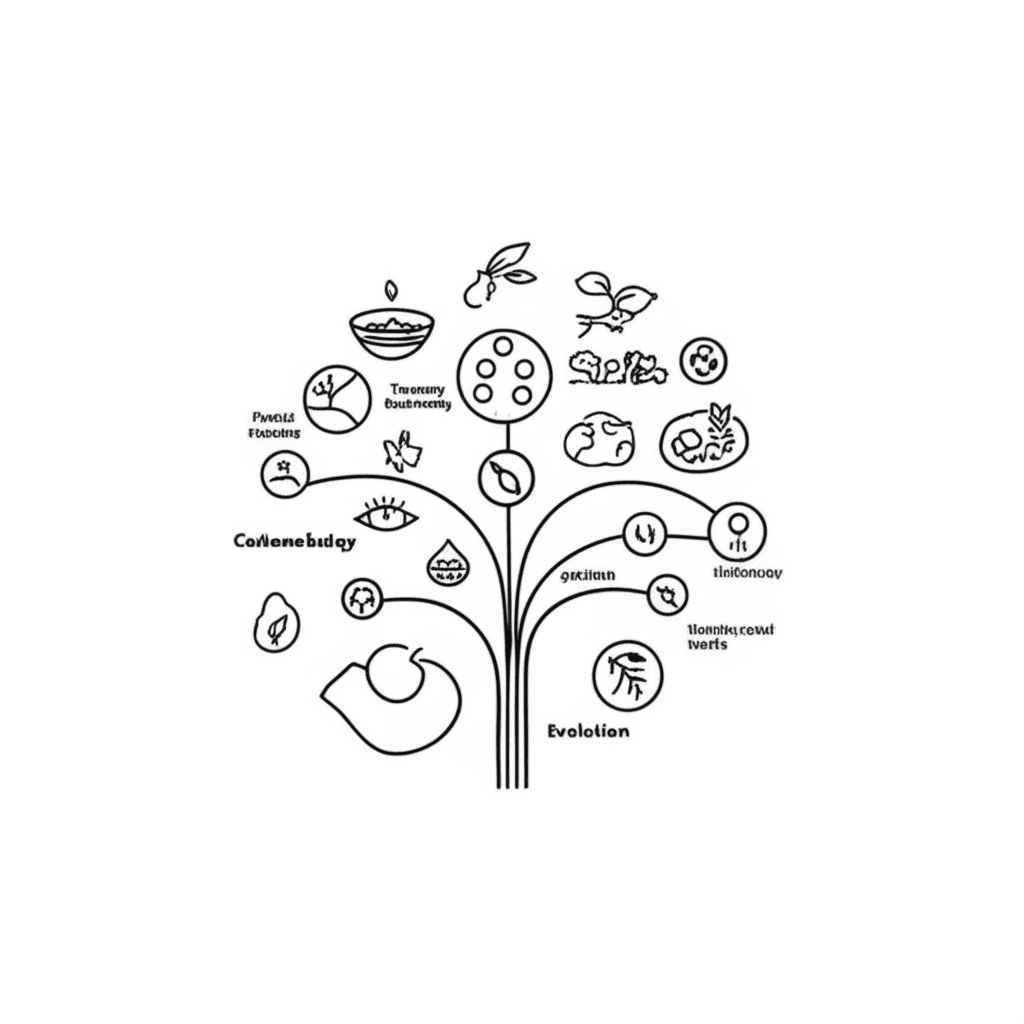
Introduction to Classification and Biodiversity
Classification and biodiversity are fundamental concepts in biology, essential for understanding the complexity of life on Earth. Taxonomy, the science of classification, helps us organize and make sense of the vast array of species that inhabit our planet. In this blog post, we will delve into the world of taxonomy, conservation, and evolution, exploring how these concepts are interconnected and crucial for the preservation of biodiversity.
Taxonomy: The Classification of Life
Taxonomy is based on the concept of binomial nomenclature, where each species is given a unique two-part name consisting of a genus name and a species name. This system, developed by Carolus Linnaeus, allows for the classification of organisms into hierarchical groups based on their shared characteristics and evolutionary relationships. The main taxonomic ranks are:
- Domain: The highest rank, dividing life into three broad categories: Archaea, Bacteria, and Eukarya.
- Kingdom: A level below the domain, categorizing organisms based on cell structure and body organization.
- Phylum: A group of related classes, often sharing similar body plans.
- Class: A category of related orders, typically defined by morphological features.
- Order: A group of related families, often characterized by specific adaptations.
- Family: A level below the order, comprising related genera.
- Genus: A group of closely related species.
- Species: The most specific rank, representing a group of interbreeding organisms.
Conservation and Its Importance
Conservation is critical for maintaining biodiversity, as human activities such as deforestation, pollution, and climate change pose significant threats to ecosystems worldwide. Conservation biology focuses on understanding the factors that contribute to species extinction and developing strategies to protect and preserve biodiversity. This includes:
- Habitat preservation: Protecting natural habitats to maintain ecosystem services and biodiversity.
- Species reintroduction: Releasing captive-bred individuals into the wild to reestablish populations.
- Sustainable resource management: Managing resources in a way that minimizes harm to the environment and conserves biodiversity.
Evolution: The Driving Force Behind Biodiversity
Evolution, the process by which species change over time through natural selection, genetic drift, mutation, and gene flow, is the underlying mechanism that has generated the diversity of life on Earth. Understanding evolution is essential for conservation efforts, as it helps us predict how species may respond to environmental changes and informs strategies for preserving genetic diversity.
Real-World Applications
The concepts of taxonomy, conservation, and evolution have numerous practical applications in fields such as:
- Environmental monitoring: Tracking changes in species populations and ecosystems to inform conservation efforts.
- Agriculture: Developing sustainable practices that minimize environmental impact while maintaining productivity.
- Biotechnology: Applying knowledge of evolutionary relationships and genetic diversity to develop new products and technologies.
Conclusion
In conclusion, classification and biodiversity are intricately linked, with taxonomy providing the framework for understanding the complexity of life, conservation aiming to preserve this diversity, and evolution being the driving force behind the generation of new species. By grasping these concepts, A Level students can gain a deeper appreciation for the natural world and contribute to efforts that protect and preserve biodiversity for future generations.
Test Your Knowledge
Now that you've learned about Classification and Biodiversity: Taxonomy, Conservation, and Evolution, test your understanding with these interactive flashcards. You can save them to your collection for later study!
📚 Study Flashcards
Test your knowledge with these interactive cards
Classification and Biodiversity Flashcards
Reinforce your understanding of taxonomy, conservation, and evolution with these interactive flashcards
Want to study these cards?
Save to your collection and track your progress
What is taxonomy?
#1What is the main purpose of binomial nomenclature?
#2What are the main taxonomic ranks?
#3Why is conservation important?
#4What is evolution?
#5What is the role of natural selection in evolution?
#6What is biodiversity?
#7What is the importance of sustainable resource management?
#8💡 Study Tip
Try to answer each question before looking at the answer. Use the memory tips to create stronger mental connections!